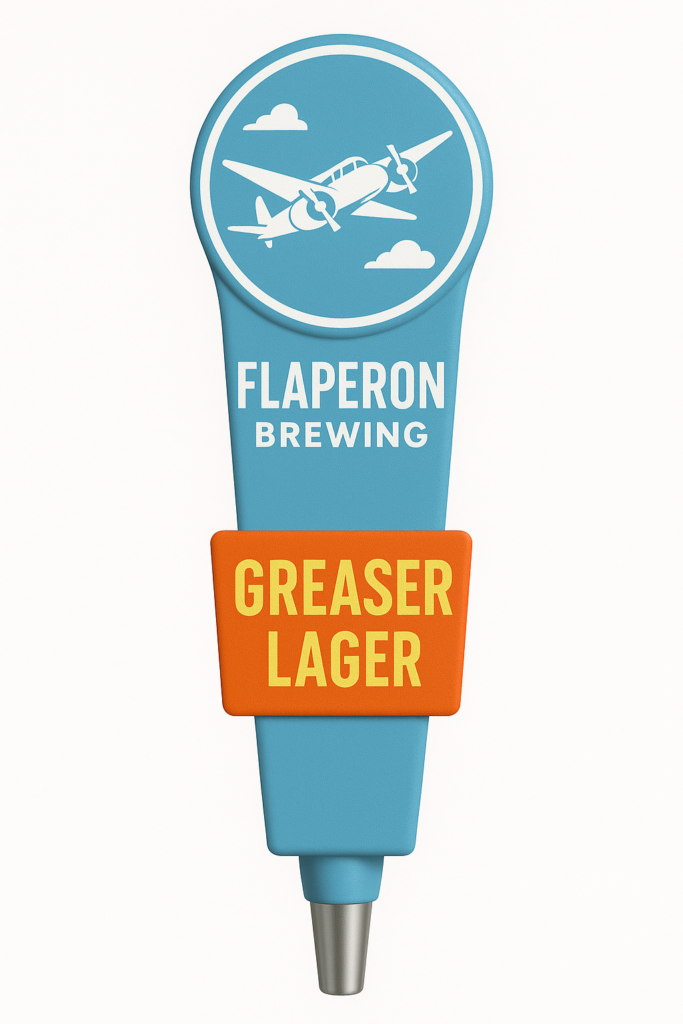
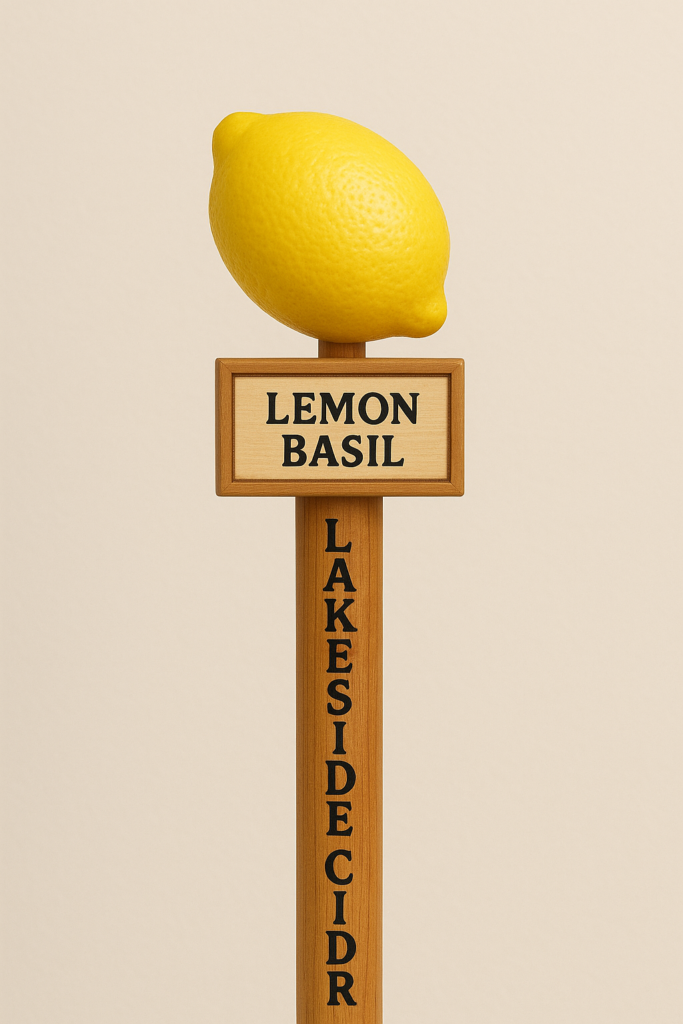
AI image tools are finally good enough to generate tap handle concepts worth building. Here’s how to use them — and where human craftsmanship still has to take over.
A few years ago, asking an AI to design a tap handle was a reliable way to get a melting blob of something vaguely beer-shaped. Today, tools like ChatGPT and Google Gemini are generating concepts that are actually manufacturable — and sometimes genuinely good. If you have a beer, a logo, or even just a vague idea, AI is now a legitimate first step in the design process.
Here’s the honest summary: AI is a brainstorming tool, not a manufacturer. It won’t know that a certain undercut makes a tap handle impossible to machine, or that a thin graphic element will chip off in six months behind a bar. What it will do is help you arrive at a visual direction faster than any other method available to you. That’s worth a lot.
“Walk into any bar — before someone tastes your beer, reads the menu, or asks the bartender for a recommendation, they see the tap handle.”
Your tap handle is the most competitive piece of real estate your brand occupies. It’s worth thinking hard about before you finalize anything. AI gets you to a strong concept faster so you can spend more time refining and less time staring at a blank page.
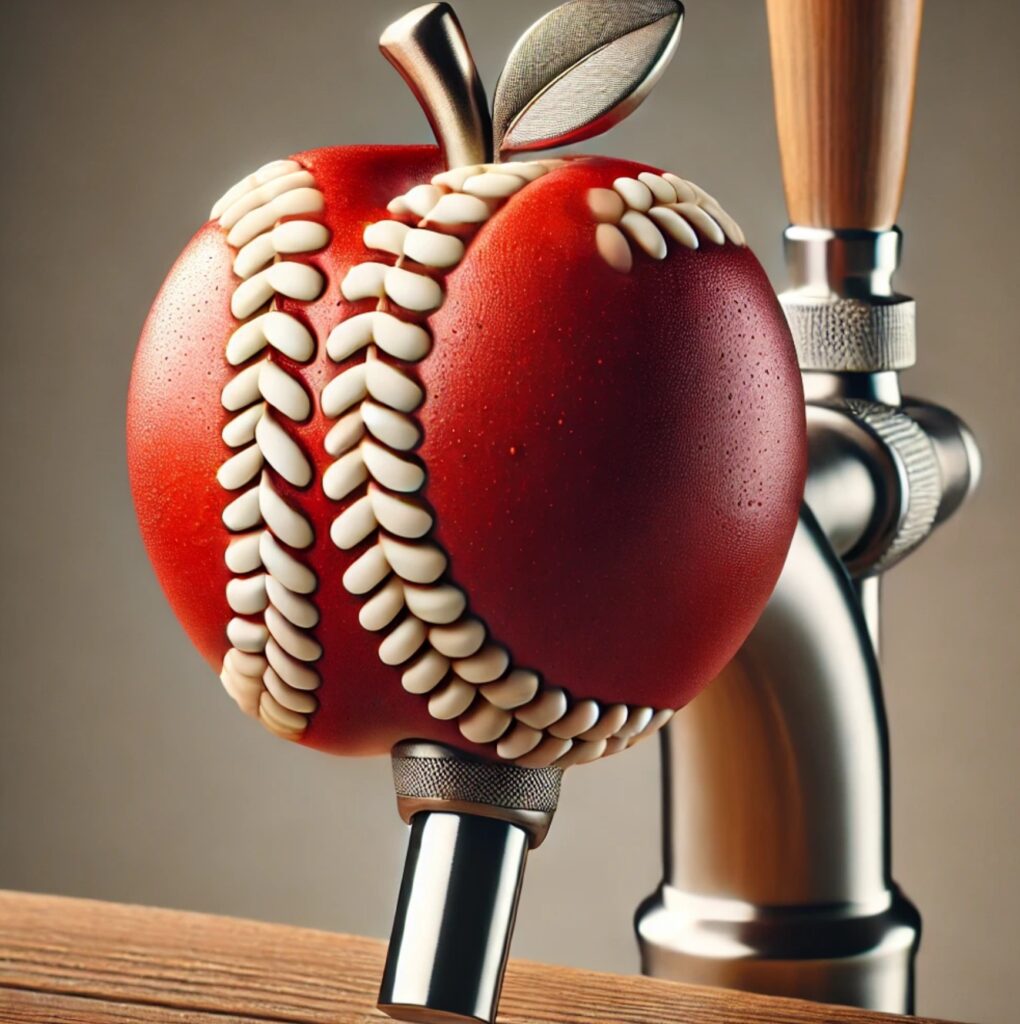
How to write a prompt that actually works
The single biggest mistake people make when using AI for tap handle concepts is being too vague. “A tap handle for my IPA” will produce something forgettable. Specificity is everything. Think about the physical structure — a tap handle has a stem, often a plaque or panel for the beer name, and sometimes a topper element at the crown. Using those terms in your prompt produces much better results than describing the handle as a single object.
Include your brand colors, any theme or character associated with the beer, the finish or material feel you’re going for, and what kind of shape or silhouette you want. If you want a dimensional element at the top — a miniature barrel, an animal, a shape related to your brand — say so explicitly.
A specific prompt: “A tall custom beer tap handle with a dark walnut wood stem, a rectangular front plaque printed with a vintage mountain illustration in muted blue and cream tones, bold heritage-style typography reading ‘Summit Pale Ale’ at the center. Clean and rugged look.”
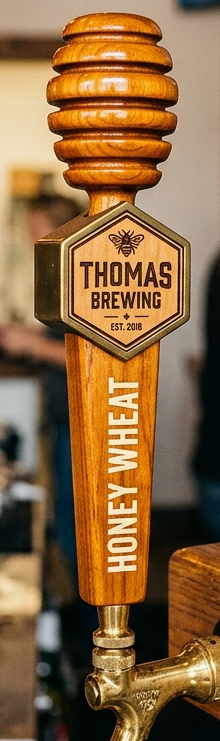
Another example: “Create a rendering of a custom tap handle for a honey wheat beer. Amber-colored wood honey dipper with a hexagonal plaque with “Thomas Brewing” logo. “Honey Wheat” down the stem.”
Notice that both prompts describe physical structure, not just a mood. That’s what moves the AI output from generic to actually useful.
A simple process to follow
1. Start with your brand assets
Gather your logo, your color palette, and a few words that describe the personality of the beer — rustic, bold, playful, refined, local. These will anchor every prompt you write.
2. Write a specific prompt and generate several concepts
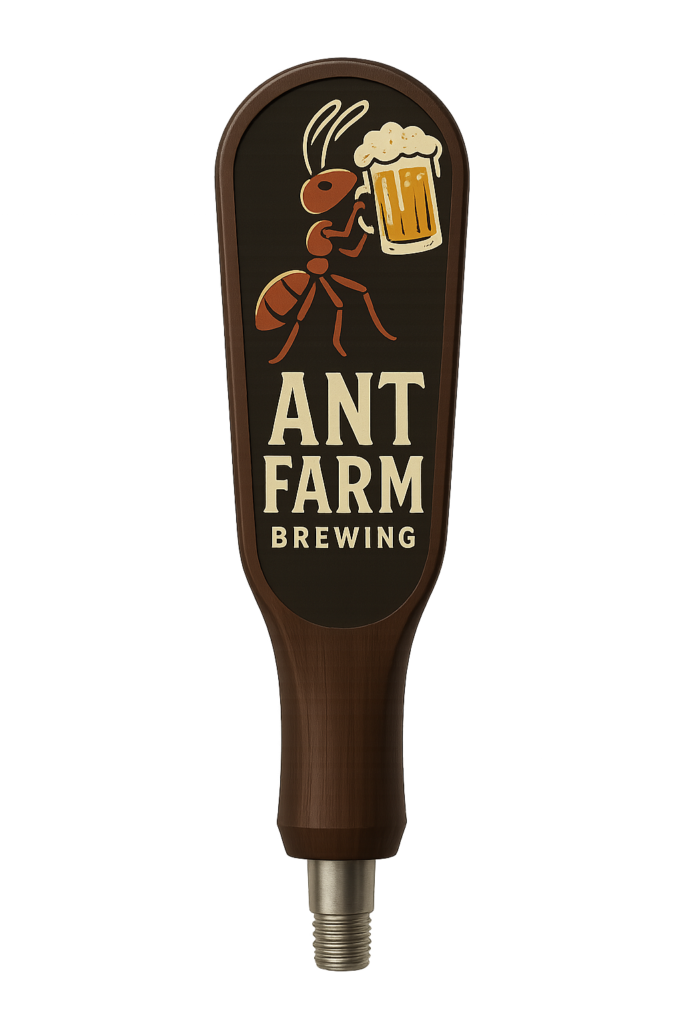
Use ChatGPT or Google Gemini with image generation. Run the same prompt two or three times — variations are useful. AI responds well to simple follow-up instructions like “make the stem darker” or “add a plaque that reads ‘Pilsner’ in yellow.”
3. Pick a direction, not a final design
The goal of this step is to land on a visual direction — a shape, a color story, a structural idea — not to get a production-ready file. AI images aren’t manufacturing blueprints, and treating them as such leads to disappointment.
4. Submit the concept for a real quote
Send us the AI image along with your logo and any notes on what you liked or wanted to change. Our team translates the concept into something producible — optimizing for manufacturing without losing what made the original idea interesting.
Where AI falls short (and why that’s okay)
AI does not understand manufacturing constraints. It will happily render a tap handle with a paper-thin decorative element that would snap off the first time it’s grabbed, or suggest a paint scheme that works in an image but requires extensive hand finishing to produce. It doesn’t know the difference between a detail that can be routed cleanly and one that requires expensive tooling to achieve.
It also doesn’t know your budget. A concept that looks simple can be surprisingly complex to produce depending on the shape and finish, and a concept that looks intricate can sometimes be streamlined without losing much visual impact.
Worth knowing
The most valuable thing we do when reviewing an AI concept is figure out how to preserve the intent of the design while making it efficient to produce in the USA. Sometimes there are no modifications needed. More often, we simplify a surface treatment or swap a hand-painted element for something that holds up in production — and the end result looks better anyway.
None of that is a criticism of AI as a tool. It’s just a realistic description of where a brainstorming assistant ends and a manufacturer begins. The two work well together when you understand what each one is for.
Ideas that have translated well from AI concepts
To give you a sense of what’s working, here are a few concept types that AI generates reliably and that translate cleanly into production tap handles:
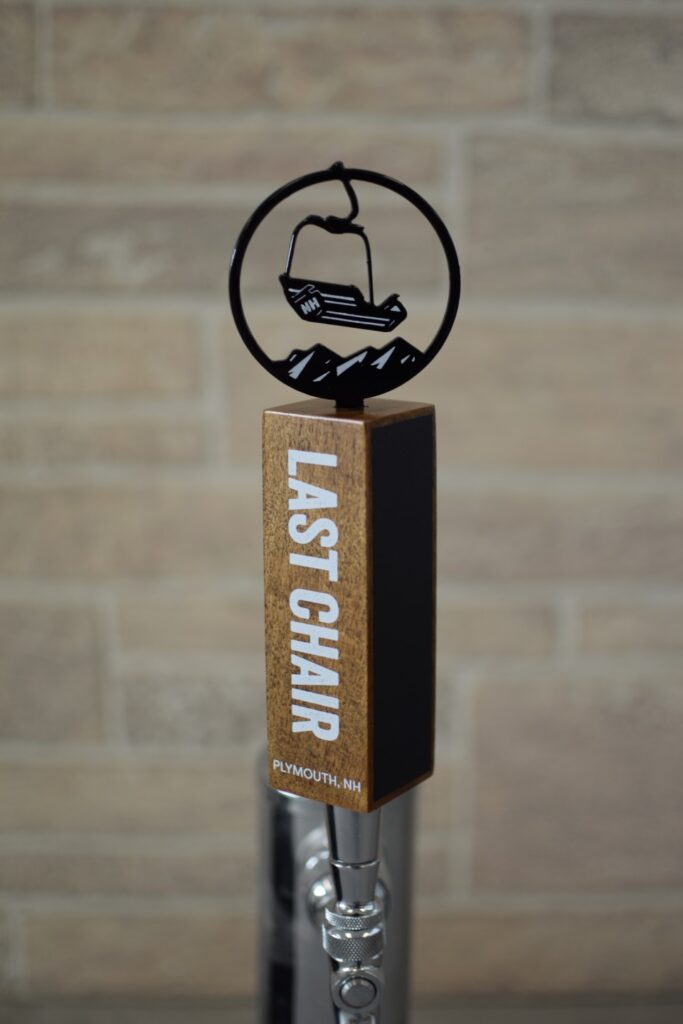
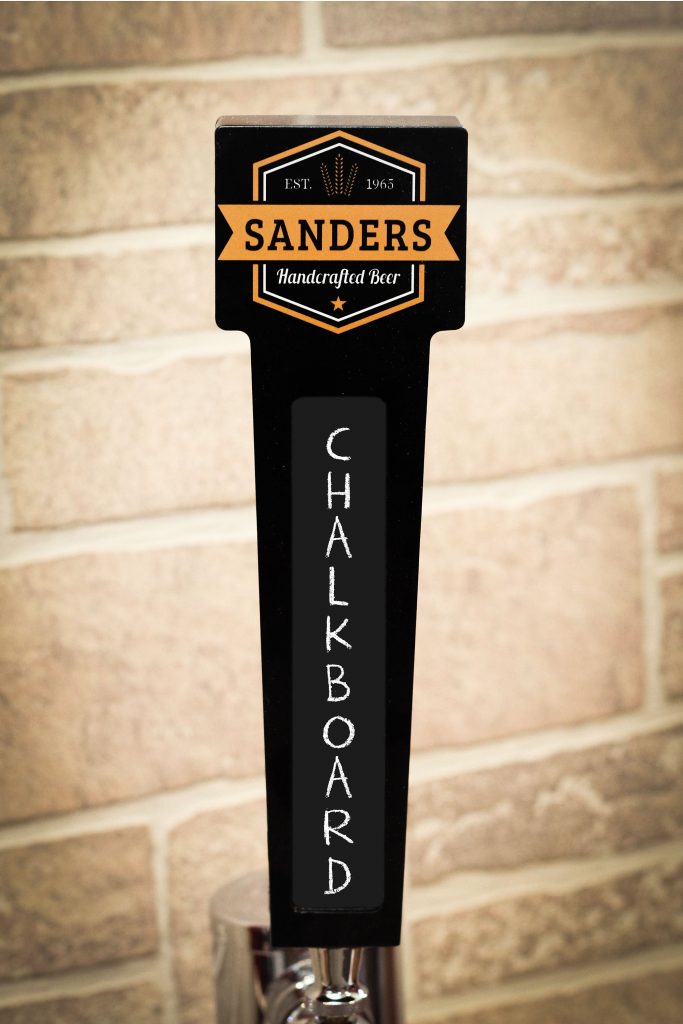
Minimal flat-panel handles with bold typography and a strong single-color background are some of the easiest AI concepts to build. They tend to have high visual impact in bar environments, and the production path is straightforward. Handles with custom-cut metal toppers — a silhouette of a landmark, an animal, a logo shape — also come through well from AI images because the topper is a discrete element we can produce separately and mount. Handles with a dimensional shape at the crown, like a small carved or cast element, require more back-and-forth to nail down feasibility, but the AI image gives us a strong starting point for the conversation.
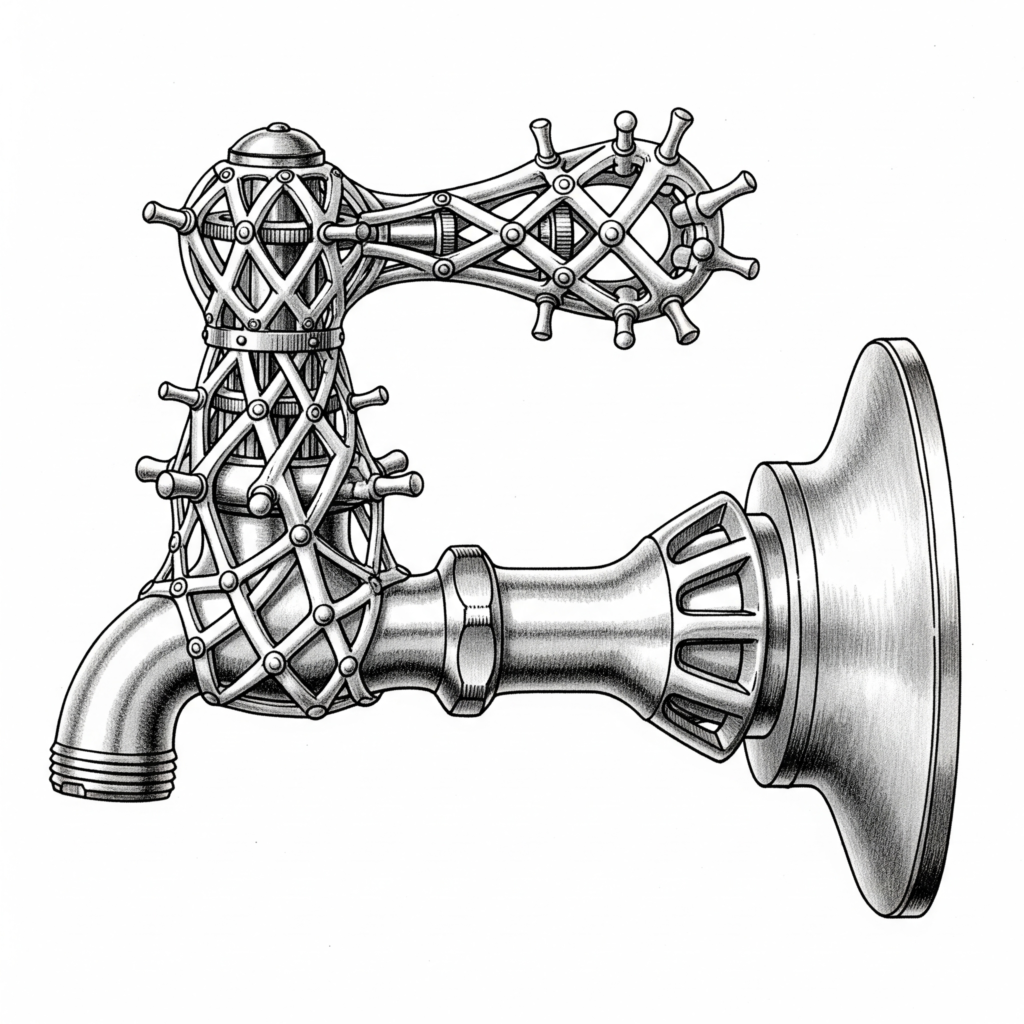
Complex hand-painted 3D surfaces are where AI images tend to look better than what’s practical to produce at commercial pricing. Those aren’t always impossible, but they come with a different cost conversation — and it’s better to have that early.
The short version
Use AI to brainstorm faster. Spend fifteen minutes generating a handful of concepts with different prompts. Pick the one that captures something true about your brand or your beer. Then send it to us — along with your logo and any notes — and we’ll take it from there.
The best tap handles come from a clear idea well executed, and AI is now a legitimate way to find that idea. It doesn’t replace the people who know how to build something that holds up behind a bar for five years. But it gets you to the starting line a lot faster than a blank sheet of paper.
Have an AI concept, a logo, or just an idea? Send it our way.